Field Trips: Connecting Learning with Place
As part of Sabancı University’s Foundations Development Program Core Curriculum and University Courses, we organize field trips that enable students to engage directly with Turkey’s historical and cultural heritage. These trips go beyond course content, encouraging students to reflect deeply on space, history, art, and society.
Each trip is led by the relevant course instructors and assistants, offering students a first-hand, interactive, and inquiry-based learning experience.
- Historic Peninsula and Museums – May 2, 2026
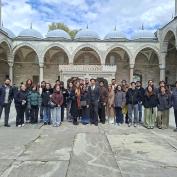
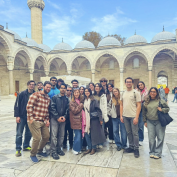
On May 2, HUM 322 – Major Works of Art: The World Before Modernity students joined their instructor, Sinem Erdoğan İşkorkutan, for a city excursion through Istanbul's artistic and culinary heritage.
- Ankara – April 18, 2026
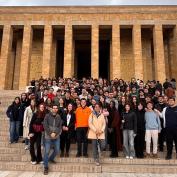
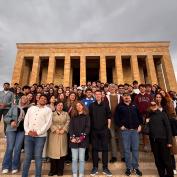
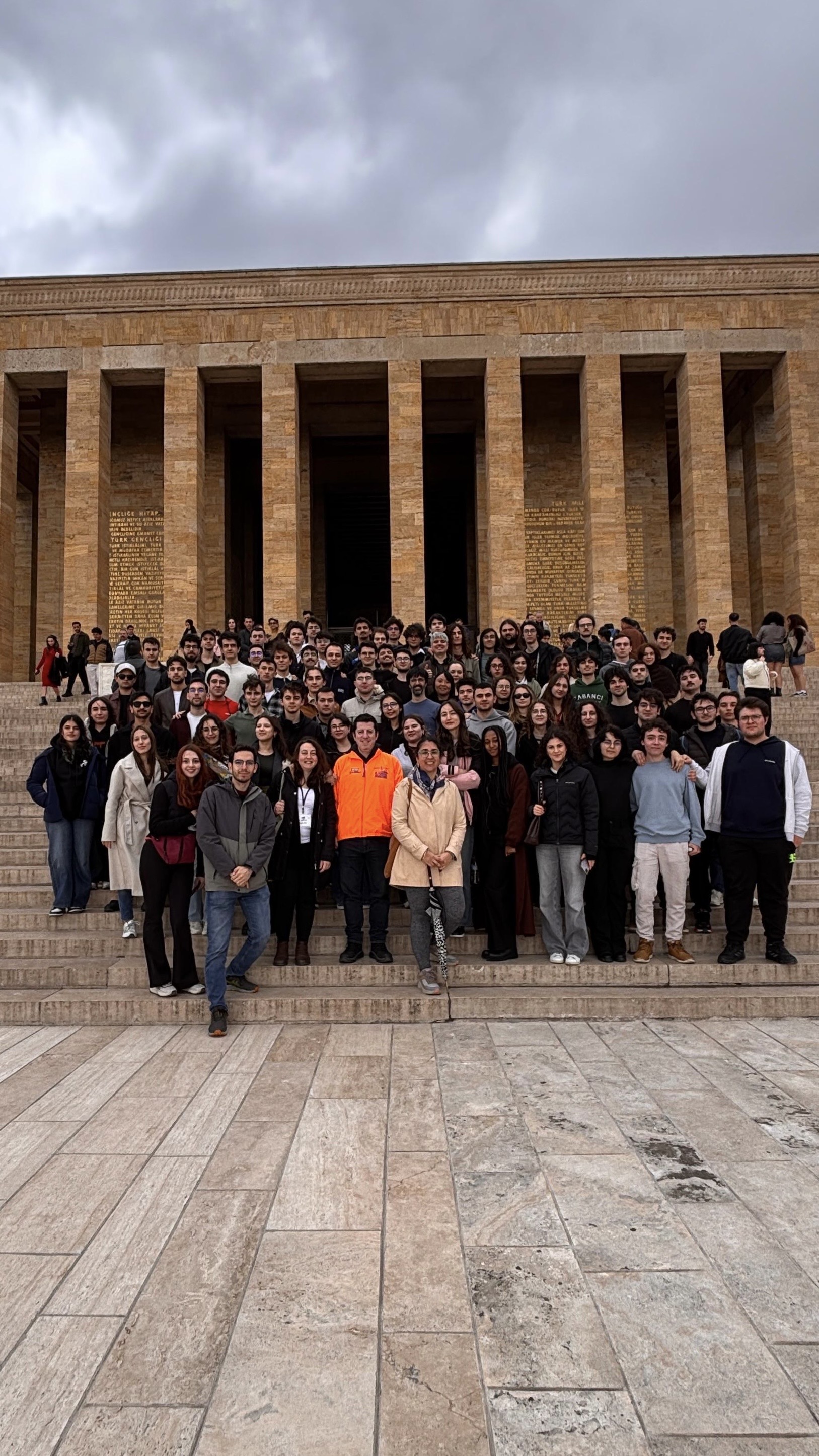
As part of HIST 192 – Principles of Atatürk and the History of the Turkish Revolution II, our students joined the Ankara Field Trip organized by the Foundations Development Directorate for the second time.
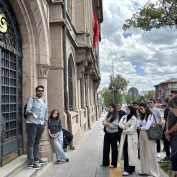
The journey took them through the heart of early Republican Türkiye in the Ulus district, with visits to the War of Independence Museum (1st Grand National Assembly), the Republican Museum (2nd Grand National Assembly), and Ankara Palas. They also explored iconic landmarks including the Opera House, Ziraat Bankası, Türkiye İş Bankası, the and Anıtkabir.
- Ankara – May 18, 2025
Organized under the HIST 192 – Principles of Atatürk and the History of the Turkish Revolution II course, this trip took students to the 1st and 2nd Parliament Buildings, Ankara Palas, Ulus Square, and Anıtkabir. In small groups guided by instructors, students had the opportunity to explore key moments in Turkish history on-site.
- Historic Peninsula and Museums – November 2025 and earlier
As part of the HUM 322 – Major Works of Art: The World Before Modernity course, students visited significant cultural sites such as the Museum of Islamic Arts and Istanbul’s Historic Peninsula. These trips allowed students to explore period-specific artistic approaches and aesthetic values, while reflecting on themes of cultural interaction through art and history.